
Carpet Spot
Treatment Tips
Spilled coffee, pet urine, wine, food, or something mysterious? Here’s what to do before the spot sets- and what not to do before calling a professional.
COMMON STAINS AND SPILLS
-
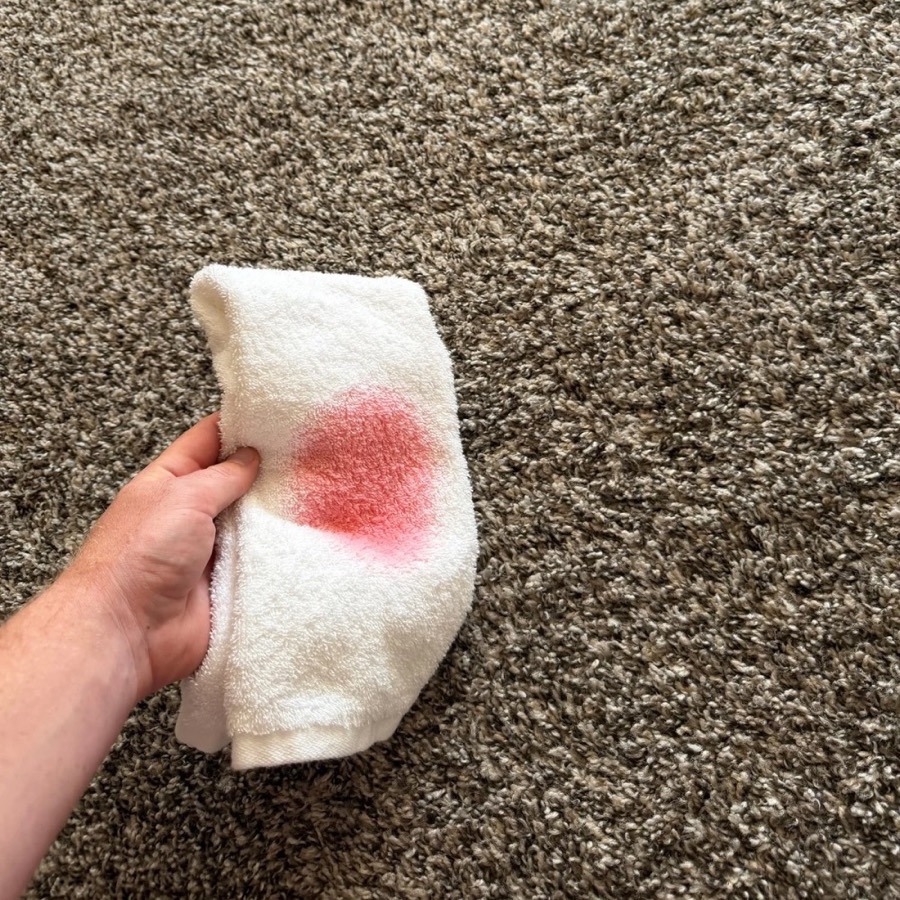
Blot up as much liquid as possible using a clean white towel. Work from the outside of the spot toward the center so it does not spread. Lightly rinse with a small amount of cool water, then blot again until the towel stops picking up color. Avoid scrubbing, soaking the carpet, or using strong cleaners. Coffee and tea can leave tannin stains, especially if they sit too long, so call Caring Carpet Care if discoloration remains after blotting.
-
Colored drinks can move fast, so start by blotting immediately with a clean white towel. Do not scrub, and do not use bleach. Lightly rinse with cool water and continue blotting until no more color transfers to the towel. Drinks with red, purple, orange, or artificial dyes can permanently stain carpet fibers if treated incorrectly. If the color remains, stop treating it and call us before applying more products.
-
Blot up as much moisture as possible with a clean white towel or paper towels. Apply pressure to pull moisture from the carpet, but avoid rubbing. Do not use powders, perfumes, or heavy store-bought deodorizers, because they may only mask the smell while leaving the source behind. Pet urine can soak into the carpet pad or subfloor, which is why odor sometimes returns after the surface looks clean. Caring Carpet Care can inspect the affected area and recommend odor neutralization, subsurface extraction, or padding replacement when needed.
-
Let the mud dry before trying to remove it. Wet mud can smear and spread deeper into the carpet fibers. Once dry, vacuum slowly and thoroughly to remove as much loose soil as possible. After vacuuming, lightly blot the remaining area with a damp white towel. Avoid scrubbing, over-wetting, or using soap-heavy cleaners that can leave residue. If the area still looks dark after drying, professional cleaning may be needed to remove embedded soil.
-
Grease and oil are different from water-based spills, so avoid pouring water directly onto the spot. Blot gently with a clean white towel to remove any excess material. Do not scrub, and do not apply dish soap heavily, because leftover residue can attract more dirt. Oily spots often require specialty cleaning products to safely break down the residue without spreading it. If the spot feels slick, sticky, or keeps coming back, call Caring Carpet Care for professional treatment.
-
Carefully remove any solid food with a spoon or dull edge before treating the area. Be gentle so you do not grind food deeper into the carpet. Blot the remaining moisture with a clean white towel, working from the outside toward the center. If needed, use a small amount of cool water and continue blotting. Avoid scrubbing or using too much cleaner. Sauces, oils, dyes, and dairy-based spills can leave residue or odor if they are not fully removed.
-
If you do not know what caused the spot, keep the treatment simple. Blot with a clean white towel and avoid adding random cleaners, bleach, peroxide, or heavy soap. Different stains require different treatment, and the wrong product can set the stain or cause discoloration. If the spot has an odor, sticky feel, unusual color, or keeps coming back after drying, it is best to have it inspected before more products are applied.
EMERGENCY SPOT CLEANING TIPS
DO:
BLOT WITH A WHITE TOWEL
USE LIGHT PRESSURE
WORK FROM THE OUTSIDE IN
KEEP THE AREA AS DRY AS POSSIBLE
CALL IF ODOR OR STAIN REMAINS
DON’T:
SCRUB AGGRESSIVELY
USE BLEACH
SOAK THE CARPET
USE COLORED TOWELS
MIX RANDOM CLEANERS
DUMP POWDER DEODORIZER INTO THE CARPET